
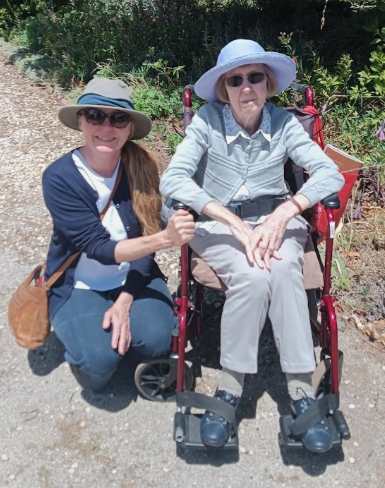
Two hours per resident, and you never get to know any of them.
If that's you, here it is straight: what the work actually involves, what it pays, what it costs to set up, and how to start — from someone running the same business, part-time, in regional Tasmania.
1. Out of the shift factory
Two-hour slots per resident make real support impossible. One-to-one work gives you the time the job actually needs.
2. Your own roster
No mandatory weekend nights, no last-minute changes, no swapping shifts to cover someone else's sick leave.
3. Fewer hours, better money
Billing a funded rate means roughly twenty hours a week can replace a full-time wage — although it's gross revenue, not take-home.
4. You don't need a clinical setting to earn well
Social support, shopping, transport and community access are the work families want most.
5. A planned exit, not a leap
There's a way to move across without risking the income you've already got.
Where to go next
Being straight with you. The hourly figures on this page are the billing rates from the official NDIS Pricing Schedule — the most that can be charged for that support. They're gross revenue, not take-home. Insurance, tax, super, travel and your own time all come out of it. And the income examples are Cathy's real numbers, not a promise about yours.
The free training is below — it's the honest version of how this works, in plain language, with nothing to buy at the end.