
You're already doing this job. Someone else is taking the margin.
If that's you, here it is straight: what the work actually involves, what it pays, what it costs to set up, and how to start — from someone running the same business, part-time, in regional Tasmania.
1. You've seen what the client gets billed
Agencies bill the funded rate while you take home around $35 an hour. As a sole trader you bill the funded rate yourself — and keep what's left after your own costs.
2. No more scheduler roulette
You choose your clients and your hours instead of taking whatever the roster gives you on a Friday afternoon.
3. Clients often prefer continuity
A revolving door of strangers is what families complain about most. Being the same familiar face is a genuine business advantage.
4. The setup is smaller than you'd think
An ABN, insurance, a police check and a first aid certificate. No company structure, no shopfront, no staff.
5. There's a real example to follow
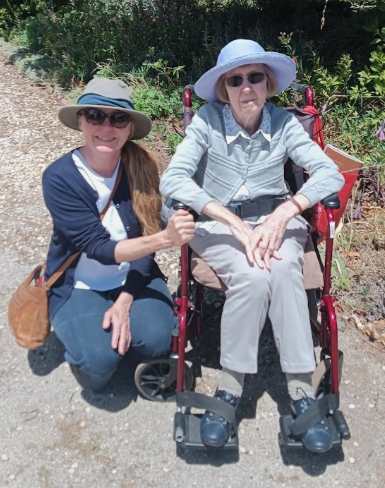
Cathy's Care turned $47,060 in six months, part-time, in regional Tasmania — doing the everyday support work agency staff already do.
Where to go next
Being straight with you. The hourly figures on this page are the billing rates from the official NDIS Pricing Schedule — the most that can be charged for that support. They're gross revenue, not take-home. Insurance, tax, super, travel and your own time all come out of it. And the income examples are Cathy's real numbers, not a promise about yours.
The free training is below — it's the honest version of how this works, in plain language, with nothing to buy at the end.